Home Window Tinting Regulations and Standards: What You Required to Know Before Tinting Your Auto
Prior to continuing with window tinting for your vehicle, it is essential to acquaint on your own with the diverse laws and guidelines that regulate this technique throughout various states. These guidelines determine the permissible levels of tint darkness, usually measured by noticeable light transmission (VLT) portions, and include certain stipulations for front windshields targeted at making sure roadway security. In addition, certain jurisdictions might use clinical exemptions for individuals with certifying conditions. Understanding these complexities can conserve you from possible lawful implications, however what are the details rules in your state?
Overview of Window Tinting Regulations
Home window tinting legislations are often subject to variation throughout various territories, showing regional laws and safety considerations. These legislations determine the permitted degrees of tint darkness and reflectiveness on vehicle home windows, ensuring that motorists preserve appropriate visibility while likewise safeguarding versus unsafe UV rays and warm.
A lot of laws identify window tinting based upon the Visible Light Transmission (VLT) portion, which suggests the amount of light that can pass through the window. Normally, reduced VLT portions signify darker tints. Legislations frequently set apart in between the front, side, and rear windows, with more stringent constraints used to the front windshield to improve safety and security for both the driver and various other road users.
Additionally, some territories impose limitations on the reflectivity of the tint, avoiding too much glare that can impair visibility. Exemptions to these laws may exist for people with specific medical conditions calling for additional sun defense. Conformity with window tinting guidelines is crucial, as violations can lead to penalties, necessary elimination of the tint, and possible boosts in insurance policy premiums. As a result, it is crucial for car owners to acquaint themselves with local legislations before waging window tinting setups.
State-by-State Color Regulations
Comprehending the certain window tinting laws in each state is crucial for car owners looking for to adhere to the regulation. Each state in the U.S. has actually developed its own collection of guidelines governing home window tinting, which can differ dramatically. These laws frequently dictate the allowed levels of color darkness, the sorts of home windows that can be tinted, and any kind of clinical exceptions that may apply.
For circumstances, states like California have rigid restrictions on color darkness for front home windows, while others, such as New Mexico, might permit darker colors. Additionally, certain states mandate specific exposure portions for various windows, including the windscreen, front side home windows, and rear windows. It is essential for auto owners to familiarize themselves with their state's laws to prevent possible penalties or fines.
Furthermore, some states may call for an accreditation sticker label to be placed on colored home windows, showing compliance with state legislations. Failure to adhere to these regulations not just takes the chance of lawful repercussions however can likewise impact safety and exposure while driving. As a result, car owners must carry out detailed research study or seek advice from regional authorities to guarantee complete understanding and conformity with state-by-state color policies.
Allowed Color Degrees and Kinds
Many vehicle proprietors may be stunned to learn that permitted tint degrees and types differ extensively across various states. Each state has actually established its own policies regarding the permissible darkness and reflectivity of home window color, typically gauged by Visible Light Transmission (VLT) percentages. VLT describes the amount of light that can travel through the colored windows; thus, a lower percentage shows a darker tint.
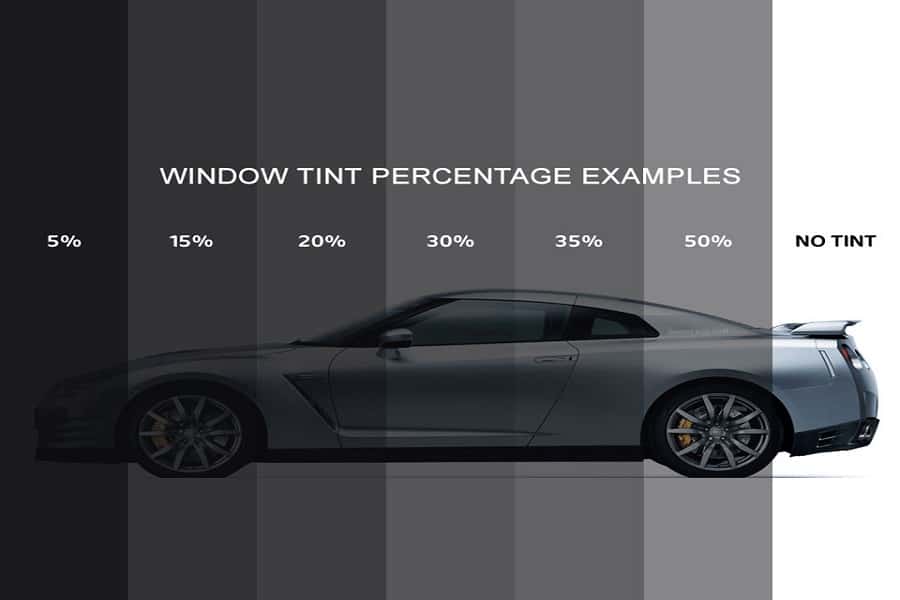
In addition, the kinds of color products enabled can vary, with some states prohibiting mirror-like or metal coatings. It is necessary for vehicle owners to acquaint check over here themselves with their state's certain laws to make certain compliance. Non-compliance can cause penalties, obligatory removal of the color, or other lawful effects, making it essential to recognize these policies before waging installment.
Medical Exemptions for Tinting
While not all states give allowances for clinical exemptions relating to home window tinting, those that do recognize the requirement for details individuals to enhance exposure and convenience due to clinical problems. Numerous clinical conditions, such as lupus, skin cancer cells, and certain eye disorders, can make people particularly delicate to sunlight. Consequently, these people might need darker colors to secure themselves from harmful UV rays and glow.
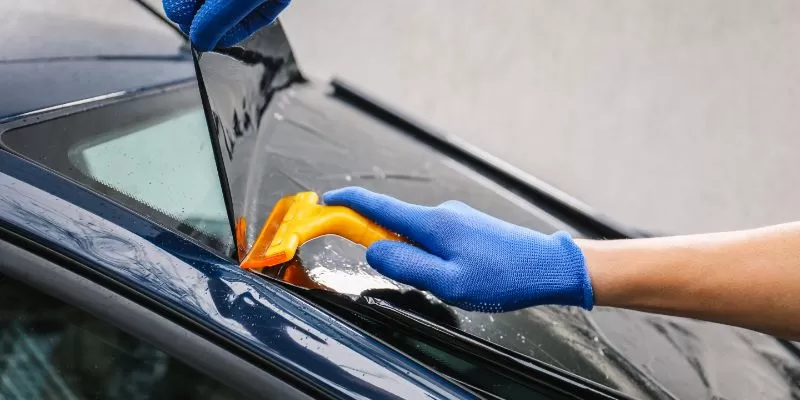
It is very important to note that despite a medical exemption, there might still be limitations on the degree of color permitted. Conformity with state regulations ensures that individuals are both safeguarded and within lawful limitations. Those thinking about medical exceptions need to call their neighborhood Division of Electric motor Automobiles or comparable authority to understand the demands and procedures necessary to get an exemption effectively.
Penalties for Non-Compliance
Failing to follow home window tinting legislations can result in significant penalties, which vary by state. Police are empowered to release citations for cars that do not stick to the specified tinting regulations. These fines generally consist of penalties, which can vary from small quantities to several hundred bucks, depending upon the seriousness of the offense and the state concerned.
In some territories, repeated offenses may cause escalating fines or added penalties, such as mandatory court looks. Non-compliance may demand the elimination of prohibited tinting, usually at the proprietor's cost. In extreme cases, habitual culprits may encounter suspension of their car registration up until conformity is achieved.
Additionally, insurance implications may arise from getting multiple citations for window tint violations. Insurance providers may see such offenses as a sign of riskier actions, possibly bring about increased costs or trouble in insurance coverage.
To avoid these charges, it is vital for vehicle owners you can look here to familiarize themselves with their local window tinting regulations and ensure that their vehicle complies (Window Tinting). This aggressive approach not just prevents legal ramifications but likewise advertises road safety
Final Thought

A lot of regulations identify window tinting based on the Visible Light Transmission (VLT) percent, which indicates the quantity of light that can pass via the window. Conformity with window tinting policies is vital, as violations can result in penalties, mandatory removal of the color, and possible increases in insurance coverage costs.Comprehending the details home window tinting guidelines in each state is vital for lorry proprietors seeking to comply with the regulation. These guidelines frequently dictate the permitted levels of color darkness, the kinds of windows that can be tinted, and any kind of clinical exceptions that may apply.
For instance, states like California have rigorous limitations on color darkness for front home windows, while others, such as New Mexico, may permit darker colors.